
Heart Failure vs Heart Attack: Most People Confuse These Two Conditions
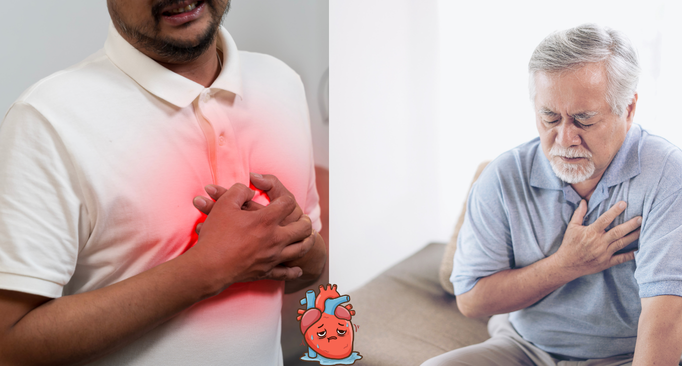
What is a Heart Attack?
A heart attack occurs when blood flow to a part of the heart muscle is suddenly blocked, usually due to a blood clot in the coronary arteries. Without oxygen-rich blood, the heart muscle begins to get damaged quickly.
Common Causes
- Blocked coronary arteries due to plaque buildup
- Blood clots
- Severe narrowing of arteries
Heart Attack Symptoms
- Severe chest pain or pressure
- Pain radiating to arm, jaw, or back
- Shortness of breath
- Sweating and nausea
- Sudden dizziness
A heart attack is a medical emergency and requires immediate treatment.
What is Heart Failure?
Common Causes
- Long-term high blood pressure
- Previous heart attacks
- Cardiomyopathy
- Valve disorders
Heart Failure Symptoms
- Persistent fatigue
- Swelling in legs and ankles
- Breathlessness during activity or while lying down
- Rapid weight gain due to fluid retention
- Frequent coughing or wheezing
Many patients searching for heart failure vs heart attack symptoms often confuse breathlessness and chest discomfort, but the progression and urgency differ.
Heart Failure vs Heart Attack: Key Differences
| Feature | Heart Attack | Heart Failure |
|---|---|---|
| Cause | Blocked blood flow to heart muscle | Weak heart pumping function |
| Onset | Sudden | Usually gradual |
| Emergency Level | Immediate emergency | Chronic condition needing management |
| Symptoms | Chest pain, sweating, severe discomfort | Fatigue, swelling, breathlessness |
| Treatment | Angioplasty, medicines, emergency care | Lifestyle changes, medicines, surgery if needed |
People often ask, “Heart failure and heart attack same?” — the answer is no. A heart attack can, however, lead to heart failure if the heart muscle is severely damaged.
Which is More Dangerous: Heart Attack or Heart Failure?
A common question is: Which is more dangerous heart attack or heart failure?
A heart attack is immediately life-threatening because it occurs suddenly.
Heart failure is a long-term condition that can worsen over time if untreated.
Both are serious. Early diagnosis and treatment by experienced specialists such as Dr. Sidharth Garg, a renowned cardiac surgeon, are essential for better outcomes.
Can Heart Failure Cause Heart Attack?
Another frequent query is: Can heart failure cause heart attack?
Heart failure itself does not directly cause a heart attack, but patients with heart failure often have underlying coronary artery disease, which increases the risk of future heart attacks. Proper medical monitoring reduces this risk significantly.
Stroke vs Heart Attack vs Heart Failure
People also compare stroke vs heart attack vs heart failure:
Stroke: Blood supply to the brain is interrupted.
Heart Attack: Blood supply to the heart is blocked.
Heart Failure: The heart weakens and cannot pump efficiently.
Each condition affects different organs but shares common risk factors like high blood pressure, diabetes, smoking, and obesity.
Heart Block vs Heart Failure
Another confusion exists between heart block vs heart failure.
Heart block: Electrical signals in the heart are delayed or blocked, affecting heartbeat rhythm.
Heart failure: Mechanical pumping ability of the heart is reduced.
Both conditions may coexist and require specialist evaluation.
Role of a Cardiac Surgeon in Mohali
If you experience symptoms related to heart disease, consulting a qualified cardiac surgeon in Mohali can make a significant difference. Advanced diagnosis, timely intervention, and surgical expertise help prevent complications.
Dr. Sidharth Garg, a cardiac surgeon and consultant at Park Hospital Mohali and Park Hospital Patiala, specializes in managing complex heart conditions, including coronary artery disease and heart failure-related surgical care.
Risk Factors You Should Not Ignore
High cholesterol
Diabetes
High blood pressure
Smoking
Sedentary lifestyle
Family history of heart disease
Regular cardiac checkups help detect issues early before they progress.
Prevention Tips for Better Heart Health
Maintain a healthy diet low in salt and trans fats
Exercise regularly (at least 30 minutes daily)
Manage stress levels
Quit smoking and limit alcohol
Monitor blood pressure and sugar levels
Early lifestyle changes can significantly reduce the risk of both heart attack and heart failure.
FAQ (Frequently Asked Questions)
Is heart failure more serious than a heart attack?
Both are serious. Heart attacks are sudden emergencies, while heart failure requires long-term management.
Can a person have heart failure after a heart attack?
Yes, damage from a heart attack can weaken the heart and lead to heart failure.
Are symptoms of heart failure and heart attack the same?
No. Heart attack symptoms are sudden and severe, while heart failure symptoms develop gradually.
Can heart failure be cured?
Heart failure usually cannot be fully cured but can be managed effectively with treatment and lifestyle changes.
When should I see a cardiac surgeon?
If you have ongoing chest pain, breathlessness, or diagnosed heart disease, consult a cardiac specialist or cardiac surgeon for evaluation.
Conclusion
Understanding the difference between heart failure and heart attack is crucial for early detection and timely treatment. While a heart attack is sudden and life-threatening, heart failure is a chronic condition that develops over time but can be managed effectively with proper care.
If you experience symptoms like chest pain, breathlessness, or swelling, consult a specialist immediately. Expert guidance from experienced professionals like Dr. Sidharth Garg, a cardiac surgeon at Park Hospital Mohali and Park Hospital Patiala, can help ensure better heart health outcomes.