

7 Early Symptoms of Heart Disease You Should Not Ignore
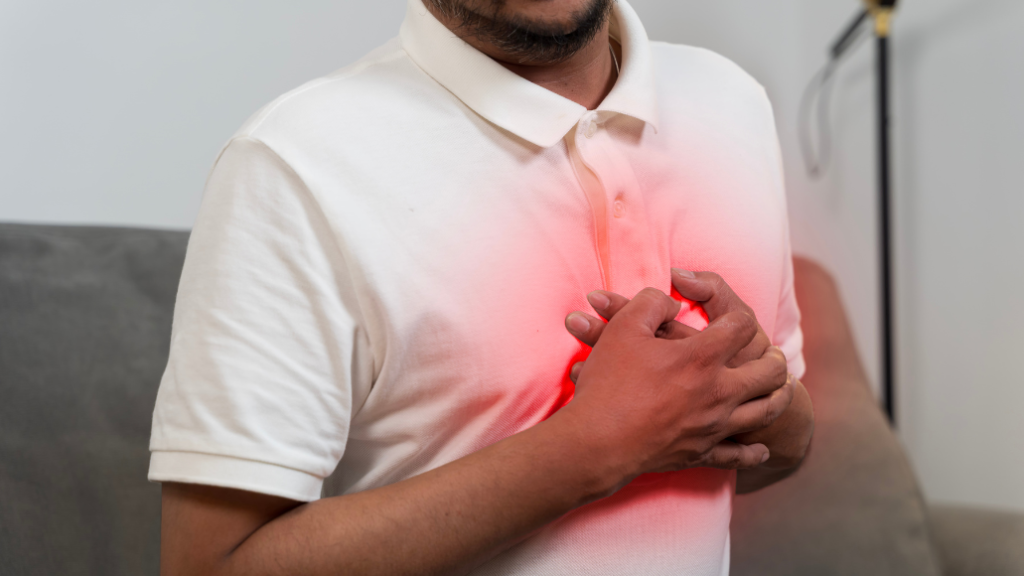
Heart disease often develops slowly, and in many cases, the early warning signs are subtle. People frequently ignore these symptoms, assuming they are caused by stress, acidity, aging, or lack of sleep. Unfortunately, delaying medical attention can allow the condition to worsen silently.
Recognizing the early symptoms of heart disease can help you seek timely treatment, prevent complications, and protect long-term heart health. Below are 7 early signs that should never be ignored.
1. Frequent Chest Discomfort or Pressure
Chest discomfort does not always feel like sharp pain. In early heart disease, it may appear as:
- Pressure
- Tightness
- Burning sensation
- Mild pain during activity
This discomfort often improves with rest and worsens with exertion. Even mild, recurring chest pressure can indicate reduced blood flow to the heart.
2. Shortness of Breath During Mild Activity
If you feel breathless while walking short distances, climbing stairs, or doing routine work, it may be an early sign that your heart is not pumping efficiently.
Shortness of breath can occur before chest pain, especially in people with diabetes, high blood pressure, or obesity.
3. Unusual Fatigue and Low Energy
Feeling tired all the time, even after proper rest, is one of the most commonly ignored symptoms. Reduced blood supply to the heart can affect overall circulation, leading to constant fatigue.
If your energy levels have dropped significantly without a clear reason, it may be time for a cardiac evaluation.
4. Pain in Left Arm, Neck, Jaw, or Back
Heart-related pain does not always stay in the chest. Early heart disease may cause discomfort that spreads to:
- Left arm
- Shoulder
- Neck
- Jaw
- Upper back
This symptom is especially important when pain appears during physical effort and disappears with rest.
5. Dizziness or Lightheadedness
Feeling dizzy, faint, or lightheaded may be a sign that your heart is unable to maintain proper blood flow to the brain.
This symptom can occur due to:
- Irregular heartbeat
- Narrowed arteries
- Poor heart function
Persistent dizziness should always be medically evaluated.
6. Swelling in Legs, Ankles, or Feet
Swelling in the lower body may indicate that the heart is not pumping blood efficiently. Fluid starts to accumulate, especially in the legs and ankles.
This symptom often appears gradually and is commonly mistaken for weight gain or prolonged sitting.
7. Irregular Heartbeat or Palpitations
Occasional palpitations can be normal, but frequent or persistent irregular heartbeats may signal an underlying heart condition.
If you experience:
- Rapid heartbeat
- Skipped beats
- Fluttering sensation in the chest
it is important to consult a specialist before the condition progresses.
Why Early Detection of Heart Disease Is Important
Early diagnosis allows:
- Better treatment outcomes
- Prevention of heart attacks
- Avoidance of major surgeries
- Improved quality of life
Ignoring early symptoms can lead to advanced coronary artery disease, heart failure, or emergency situations.
When Should You See a Heart Specialist?
You should consult a heart specialist if:
- Symptoms persist or worsen
- You have diabetes, high blood pressure, or high cholesterol
- There is a family history of heart disease
- You experience multiple symptoms together
Timely consultation with an experienced cardiac surgeon in Mohali or a heart specialist can help identify the problem early and guide appropriate treatment.
Conclusion
Early symptoms of heart disease may appear mild, but they carry important warning signals. Paying attention to signs like chest discomfort, breathlessness, unexplained fatigue, radiating pain, dizziness, swelling in the legs, and irregular heartbeat can help prevent serious heart complications. Early diagnosis and timely treatment play a key role in protecting long-term heart health.
👉 Dr. Sidharth Garg, a highly experienced Cardiac Surgeon, offers expert evaluation and advanced heart care. If you are experiencing any of these symptoms, consulting a qualified specialist at the right time can make a significant difference in outcomes and recovery.